Practical Steps for Keeping Humidity in Check to Prevent Mold
Why Humidity Control Matters for Mold Prevention
Mold needs moisture to grow. Without it, spores cannot germinate or spread. This is why managing moisture is the most effective way to prevent mold problems in a home or building. The relationship between humidity and mold is straightforward: when indoor humidity stays high for long enough, mold will eventually find a surface it can colonize. Understanding this connection helps homeowners take the right steps before damage appears.
Relative humidity is the key measurement to watch. It tells you how much moisture the air holds compared to its maximum capacity at a given temperature. Warm air can hold more moisture than cool air. When warm, humid air meets a cooler surface, condensation forms. That water on walls, windows, or pipes is exactly what mold needs. Keeping relative humidity below a certain threshold makes it hard for mold to take hold. Many professionals suggest staying below 60 percent, and ideally closer to 50 percent, to create an environment where mold struggles to grow.
Measuring and Monitoring Humidity Levels
You cannot control what you do not measure. A simple hygrometer gives you a real-time reading of indoor humidity. These devices are inexpensive and easy to use. Place one in a central living area and another in a basement or crawl space, where moisture problems often start. Check readings at different times of day and during different weather conditions. This helps you understand your home's humidity patterns.
If you notice readings consistently above 60 percent, it is a signal to take action. Sometimes the cause is obvious, like a leaky pipe or poor ventilation. Other times the problem comes from everyday activities like cooking, showering, or drying clothes indoors. Without enough airflow, that moisture stays in the air and keeps humidity high. A moisture meter can also help. It measures the water content in building materials like wood or drywall. If a wall feels dry to the touch but the meter shows high moisture, you may have a hidden problem that needs attention.

Practical Ways to Lower Indoor Humidity
Once you know your humidity level, you can decide what to do about it. The simplest fix is often more ventilation. Opening windows when weather permits lets moist air escape and drier air come in. Exhaust fans in bathrooms and kitchens pull steam out directly at the source. Make sure these fans vent outside, not into an attic or crawl space, or they just move the moisture somewhere else.
In basements and crawl spaces, ventilation becomes more challenging. These areas are often closed off and naturally cooler, which encourages condensation. Installing crawl space ventilation can help exchange damp air with drier outdoor air. A vapor barrier on the ground also reduces moisture rising from the soil. These two steps together can make a noticeable difference in humidity levels below grade.
For ongoing control, a dehumidifier is the most direct tool. It pulls moisture from the air and collects it as water. Choose one sized for the space you need to treat. A small unit in a damp basement works better than an oversized one running in short cycles. Keep the dehumidifier clean and check the collection tray regularly. Some models drain directly into a floor drain, which is convenient for continuous operation. Remember that a dehumidifier works best when the space is reasonably sealed. If doors and windows are left open, it will struggle to keep up.
Condensation Control and Surface Temperature
Condensation happens when warm, moist air touches a cold surface. This is common on single-pane windows, uninsulated walls, and cold water pipes. Addressing the surface temperature can reduce condensation even if the overall humidity is not ideal. Insulating pipes and adding storm windows or thermal curtains helps. In some cases, increasing air circulation with a fan keeps surfaces from cooling enough for moisture to form.
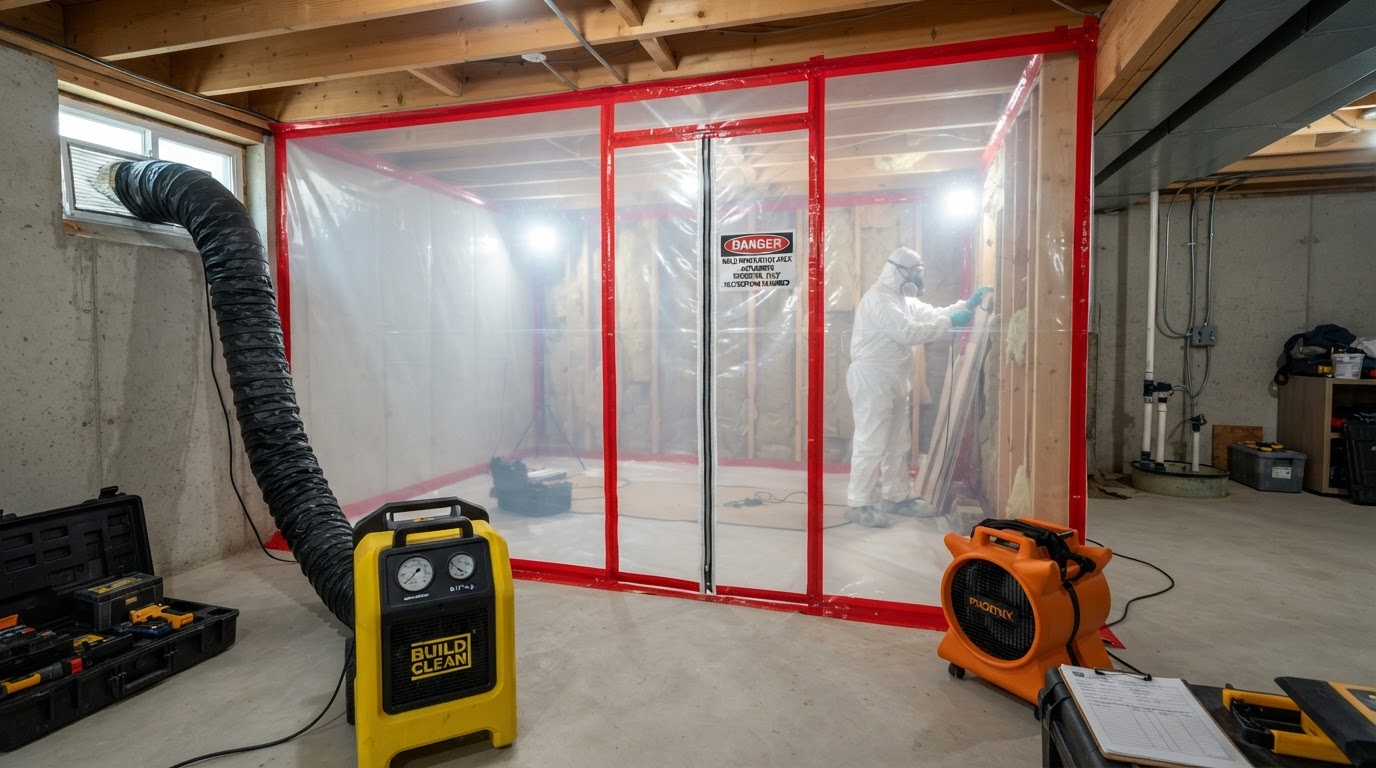
Condensation control is also about managing the sources of moisture. If a bathroom has no window, running the exhaust fan during and after a shower makes a big difference. In a kitchen, using lids on pots reduces steam. These small habits add up over time and keep humidity from spiking. When combined with a dehumidifier and good ventilation, they create a layered approach to moisture management.
For homeowners in Gettysburg and Adams County, the local climate can make humidity control a year-round task. Warm summers bring high outdoor humidity that seeps indoors. Cooler months can lead to condensation on windows and in unheated spaces. Understanding how your specific home responds to these conditions helps you stay ahead of mold growth. Regular checks of your hygrometer and moisture meter give you the data to act early.
One concept worth understanding is the mold spore germination threshold. Mold spores are everywhere, but they only germinate when conditions are right. Temperature, food source, and moisture all matter. If you keep humidity low enough for long enough, spores that land on surfaces will not start growing. This is why consistent control matters more than occasional effort. A day or two of high humidity may not cause trouble, but a week of damp conditions can trigger growth. Keeping humidity in check means staying vigilant over time, not just after a rainstorm.
In practice, effective mold humidity control combines monitoring, ventilation, and direct moisture removal. You do not need expensive equipment to start. A hygrometer, a portable dehumidifier, and good habits go a long way. For more challenging spaces like crawl spaces or basements, adding a vapor barrier and improving airflow can make the job easier. The goal is to keep indoor humidity below the level where mold can thrive. Once you reach that point, maintenance becomes simpler and the risk of mold drops significantly.
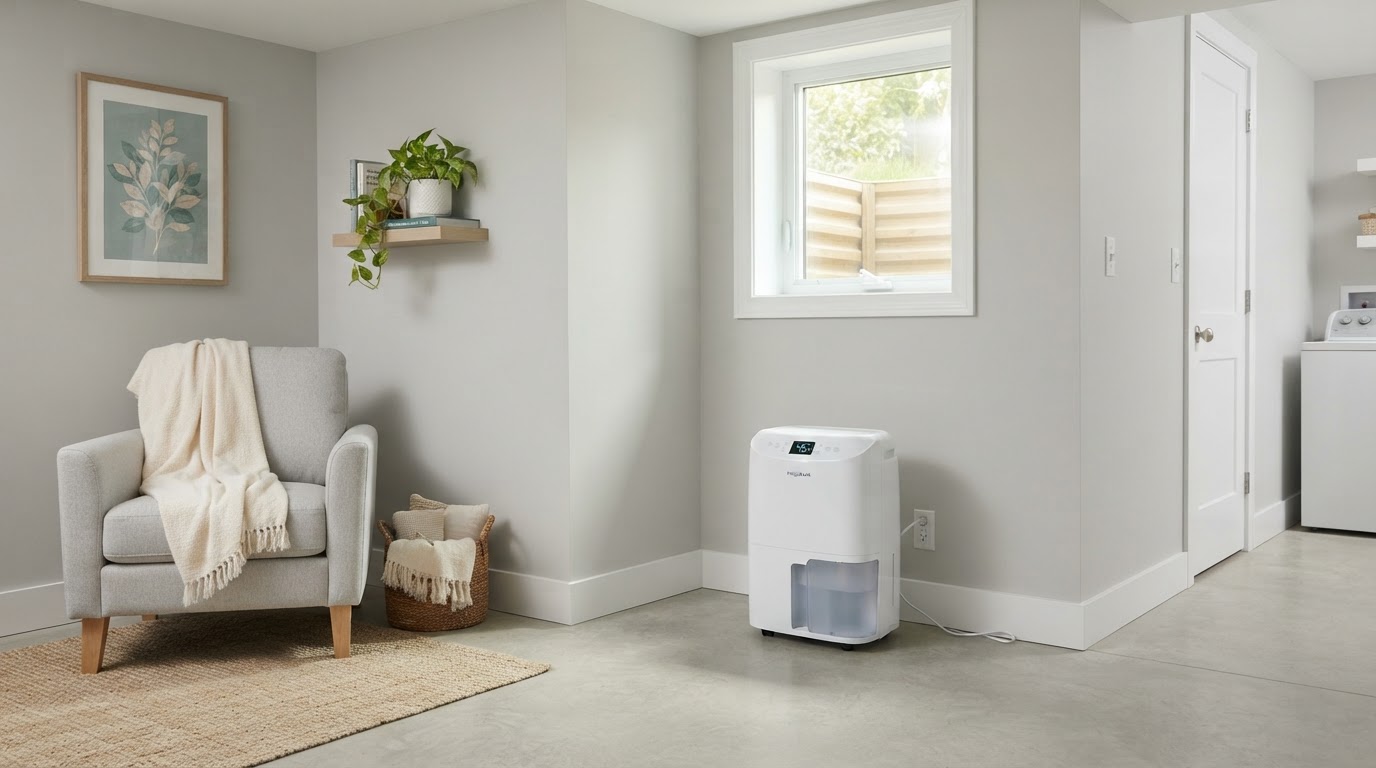
Many homeowners focus on cleaning mold after it appears, but that is a reaction, not a solution. The real answer lies in prevention. By controlling humidity, you remove the one thing mold cannot live without. This saves time, money, and the hassle of dealing with an established infestation. It also protects the building materials and indoor air quality over the long term. Whether you are dealing with a damp basement or a humid bedroom, the principles are the same: measure, ventilate, and remove excess moisture.
If you notice musty odors, peeling paint, or dark spots on walls, those are signs that humidity may already be too high. Do not ignore them. Check your hygrometer and look for sources of moisture. Sometimes the fix is as simple as running a dehumidifier more often or fixing a slow leak. Mold humidity control is not complicated, but it does require attention. The payoff is a home that stays dry, smells fresh, and resists mold growth without harsh chemicals or constant scrubbing.